Read Time:4 Minute, 9 Second
Many people start exercising but find it really hard to stay consistent. This is not because exercise doesn’t work or because they don’t have good intentions when starting out. It’s just that their motivation drains when routines become repetitive and boring. Progress feels slow because beginners observe the same set of movements every time in the same environment.
Augmented Reality (AR) is changing this fast by importing digital challenges and layering them onto physical movement. This turns workouts into interactive missions that keep motivation high.
How Augmented Reality Changes the Way We Exercise
AR is not only adding visuals to workouts. It actually changes people’s perspective about effort, progress, and motivation. It leans on ideas from games and interactive systems to transform exercise into what everyone will love to get back to.
Let’s see how it’s changing the way people exercise.
1. Turning Movement into Interactive Challenges
Traditional workouts ask you to complete tasks. AR gives those tasks meaning. A squat might become a checkpoint. A run might unlock a new stage. Movement triggers outcomes, and outcomes drive motivation. This cause-and-effect loop keeps users mentally engaged while their bodies do the work. Because exercise now feels interactive, people see it less as a chore.
2. Making Progress Visible in Real Time
One of the biggest motivation gaps in fitness is delayed feedback. You don’t always feel stronger right away, even when you’re improving. AR solves this by showing progress instantly.
Visual meters, completed objectives, and on-screen confirmations turn effort into something you can see. Each movement feels productive because the system responds immediately. That visibility reinforces consistency far more effectively than delayed results.
3. Lowering the Mental Barrier to Starting
Starting is often harder than continuing. AR helps by making workouts feel low-pressure. This is similar to how people approach other digital experiences. For example, casinos offer no-deposit bonuses to new players, allowing them to play certain games without risking their own money. This often serves as a huge encouragement for players.
In Germany, for instance, no-deposit bonuses from top casinos such as Spin Samurai Casino Bonus https://spielen-slots.de/casino-bonus/spin-samurai-bonus-ohne-einzahlung/ are available at several gaming sites. Information on them can be found in trusted guides and reviews of Spielen-Slots. They definitely boost commitment and participation from new players. And when there’s a good condition that encourages commitment, people tend to participate more.
AR workouts use the same principle. You can try a challenge without committing to a full program. That ease of entry removes hesitation and encourages action.
4. Using Rewards and Milestones to Sustain Motivation
Beginners respond strongly to rewards, even small ones. AR builds this directly into workouts. When people are required to complete a challenge, reach a milestone, or unlock the next objective, it creates a sense of achievement.
These rewards don’t have to be physical; even visual confirmation alone can be enough to keep users engaged.
5. Competition Without Pressure or Intimidation
Not everyone wants to compete against others, and AR understands that. Some challenges focus on beating personal bests, while others use virtual opponents designed to match the user’s ability. So, even though competition is still present, it’s controlled and inclusive. This allows users to feel challenged without feeling judged, which is key to long-term consistency.
6. Reducing Perceived Effort Through Immersion
Immersion changes how effort feels. When attention is focused on completing a task or reaching a goal, discomfort fades into the background. AR environments shift focus away from fatigue and toward interaction.
A workout feels shorter, even when the physical demand remains the same. This mental shift helps users train longer and more consistently.
Common AR workout challenge formats include:
- Time-based missions that reward consistency or speed
- Distance or movement-based objectives
- Accuracy or form-focused challenges
- Progression systems that unlock new stages
These structures replace repetition with purpose.
Why AR Workouts Feel More Sustainable Over Time
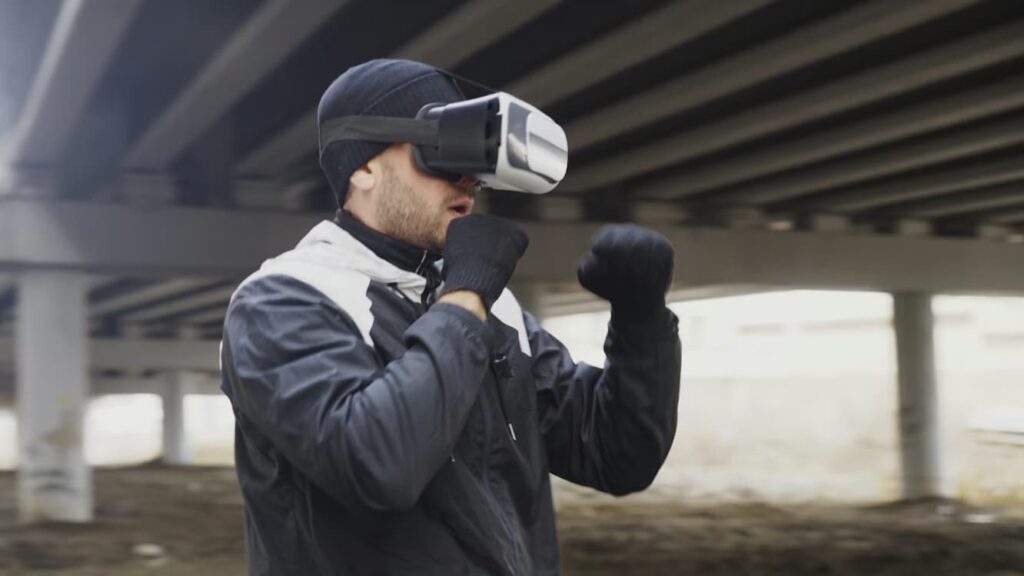
Consistency is the real challenge in fitness. Most programs fail not because they’re ineffective, but because people stop showing up. AR helps by turning workouts into experiences rather than obligations. When users associate exercise with achievement instead of effort alone, motivation lasts longer.
The system adapts to performance and keeps goals within reach. This balance prevents burnout while maintaining challenge. Over time, consistency replaces intensity as the driver of results. Instead of asking users to “push harder,” AR encourages them to “keep playing.”
Conclusion
Augmented reality is completely transforming how people work out by changing how they experience effort. It does a great job of turning movement into challenges and progress into visuals. Exercise has now become engaging and sustainable, naturally improving consistency on all levels.
AR doesn’t replace hard work, it reframes it. And that shift is what turns exercise from a habit people avoid into a challenge they’re willing to accept.

Happy
0 %

Sad
0 %

Excited
0 %

Sleepy
0 %

Angry
0 %

Surprise
0 %
 0
0
 0
0